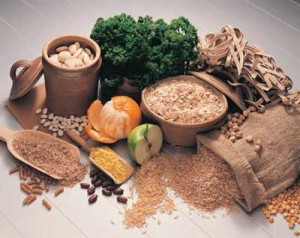
Tout dans la vie est une question d'équilibre d'où la nécessité de garder un esprit sain dans un corps sain.

Discipline-Volonté-Persévérance

Everything in life is a matter of balance therefore one needs to keep a healthy mind in a healthy body.

Discipline-Will-Perseverance.

E. do REGO
Showing posts with label Protein. Show all posts

Tuesday, October 8, 2013

The best plant-based sources of protein


by Michael Ravensthorpe 

(NaturalNews) Vegetarians and vegans are often presented with a familiar question: "How do you get enough protein?" The question is understandable, since today's nutritionists place a disproportionate amount of emphasis on meat as a protein source. In reality though, many plants contain protein quantities by mass that match or even exceed that of beef, poultry and fish. The best of them are listed below.

The best vegetarian protein sources

Spirulina and chlorella - Natural health researchers often consider these green algae to be the ultimate "superfoods," and for good reason: Aside from containing unsurpassed levels of chlorophyll and iron, spirulina and chlorella also contain 12 times more digestible protein than beef. Indeed, spirulina and chlorella are comprised of between 45-75 percent pure plant protein by mass. Consequently, spirulina and chlorella tablets and powders remain the protein source of choice for vegetarian and vegan body-builders seeking to improve muscle mass.

Sun-dried tomatoes - Second to spirulina and chlorella in the protein department are sun-dried tomatoes, which are tomatoes that have undergone an intensive moisture-removal process. Sun-dried tomatoes are extraordinarily rich in potassium, dietary fiber, vitamin K and a host of other nutrients. What really makes them stand out, however, is their whopping 11-16 percent protein content by mass - making them the most protein-rich fruits.

Beans - All beans are high in protein, though some are higher than others. Studies have shown that soybeans contain the largest amounts of protein (between 9 and 13 percent), followed closely by winged beans (9-12 percent). Lima, kidney, pinto, white and garbanzo beans are also good sources.

Buckwheat - Buckwheat is a gluten-free seed with a low glycemic index and more protein per 100 grams than corn, rice, millet or wheat. Furthermore, it possesses a unique amino acid profile; since buckwheat is high in arginine and lysine, it has the power to increase the protein value of cereal grains and beans consumed that same day.

Quinoa - Like buckwheat, quinoa is a gluten-free, low GI seed that contains almost as much protein as the best beans and legumes (often as high as 14 percent). It is also a good source of dietary fiber, phosphorous, iron and magnesium and makes a great substitute to rice or couscous.

Spinach - While spinach is famously high in iron, it also contains generous quantities of protein - sometimes up to 13 percent, although this figure varies wildly based on leaf quality. Spinach is extremely versatile (it can be added to pasta, salads, soups, casseroles and even pizzas), so there are many ways to disguise its unattractive taste.

Peas - Peas contains eight percent protein, making them one of the best common vegetable sources after spinach. Peas are also a good source of vitamin A and iron and are easy to incorporate into many meals.

Sweetcorn - Corn on the cob is high in protein and calories, making it a good food to eat before exercising. Just make sure you buy organic corn, especially in the United States.

Brussels sprouts - Sprouts are rich in protein and vitamin C and are a good weight loss food due to their low calorie and fat levels.

Sources for this article include:

http://www.whfoods.com

http://healthyeating.sfgate.com

http://www.chlorellafactor.com

http://science.naturalnews.com

http://science.naturalnews.com

http://science.naturalnews.com

http://science.naturalnews.com

Saturday, May 25, 2013

The Exercise and Nutrition Guide to Staying Young


Fri, 05/24/2013 - 2:26pm -- Editor

It’s not something we think about every day, but once in a while this thought creeps into the mind of most everyone over 30; “I don’t feel as invincible as I use to”. That’s because sometime around 30 our bodies start to change, specifically our hormone production starts to decline. This declining hormone production affects the way we feel, perform and even think.
A reduction in testosterone production occurs as we age
The reduction in testosterone production that occurs as men age can contribute to increased feelings of fatigue, insomnia, weakness, increased body fat, lack of motivation, depression, and decreased sex drive. This decrease in testosterone level also adversely affects women (yes, women have testosterone to) causing low energy, diminished sex drive, anxiety and depression.
Growth hormone production also declines as we age
Our growth hormone production also declines as we age, in men and women alike. The decline in growth hormone also begins sometime around 30. This decline in growth hormone production has a significant impact on the aging process, including decreased lean body mass, lower bone density, less strength, and depression, as well as negatively impacting cell reproduction (affecting such aging issues as reduced skin elasticity, plus slower hair and nail growth).
Slow down the aging process through a combination of exercise and nutrition
Fortunately, you can significantly reduce the decline in hormone production and slow down the aging process through the proper combination of exercise and nutrition. Just a few (but highly critical) adjustments to your exercise and nutrition program can make a dramatic difference in the way we look, feel, perform, and our overall quality of life. Here are a few important guidelines we should all try to follow:
1) Incorporate High-Intensity Exercise
Short high-intensity exercise has been shown to boost testosterone as well as growth hormone production. There is probably no more important adjustment you can make to your fitness program when you are over the age of 30, than incorporating short-duration and high-intensity exercise. Explosive functional training or plyometrics burst type exercises (like we offer at G&L.com) will engage your fast muscle fibers and stimulate growth hormone production as well as lean muscle development.
As we age, the days of long and slow cardiovascular conditioning should be left behind, because a primary goal of our workouts should be to increase youthful hormone production. Unfortunately, excessive endurance training can have the exact opposite effect on overall good health, and when overdone can lead to a further decline in growth hormone production. Both Gabby and Laird make high intensity functional workouts the mainstay of their fitness program, as should we all.
2) Boost Intake of Essential Amino Acids
Our bodies depend on the availability of certain essential amino acids to both stimulate and optimize growth hormone production. The amino acids Glutamine, Arginine and Lysine when taken orally immediately after exercise and just prior to sleep is an effective growth hormone releasing agent, providing you combine high intensity training. These amino acids are found in protein such as fish, chicken, eggs and lean meat, but can more easily be obtained in the proper quality and timing through amino acid supplementation (such as TRUition Max).
3) Strength Training
As we age, it is also important to include strength training into your routine fitness program. Your body especially needs the benefits of weight barring exercise as we age, to maintain both skeletal and muscular strength. Unfortunately, you see far too many people gravitate to the treadmill and elliptical trainer as they age. When in fact the weight room or resistance equipment is what they really need. By simply moving to the next resistance exercise with minimal rest (circuit training), you can improve cardiovascular health while also providing your body all the benefits of strength training.
TRUition co-founder Don Wildman, who is still an avid cyclist and competitive racer at the age of 80, always reminds his friends and fans that he considers his infamous circuit training program far more important to youthfulness and overall good health than his cycling. “When time is at a premium, I always make sure my strength training workouts come first. If I had to make a choice, I would always choose circuit training over any other type of exercise”.
4) Consume More Protein
Without question, consuming plenty of fresh plants, fruits, and vegetables is important to overall good health. We all need the phytonutrient and immune boosting antioxidants from a broad diversity of fruits and vegetables (see TRUition Greens).However, because muscle development declines as we age; proper protein intake becomes even more important.
In order to get the full benefit of your strength training program, proper protein intake both before and after exercise is recommended. Such foods as eggs, lean meat, fish and chicken are high in protein. A cup of coffee before your morning workout is simply not the right fuel for muscle development, nor is pancakes or bagels with cream cheese. Some organic egg, or better yet an organic whey protein shake, is what you need (see TRUition Whey). Whey protein is actually more bioavailable than fish, meat, chicken or eggs, and therefor easier to digest and quicker for your body to utilize.
5) Get Proper Rest
There are two very important aspects of rest which can’t be overlooked or substituted in any way. During our periods of rest our muscles recover and rebuild. Without proper rest between high intensity workouts, we will not be able to effectively build more muscle. Additionally, hormone production is at its highest just after exercise and while you’re sleeping.
Once again, one of the primary fitness goals of anyone over 30 should be to offset declining hormone production in order to stay young. You simply must take the time to rest properly in order to get the maximum benefits from you exercise and nutrition program. There is no way around it.
Develop these few critical exercise and nutrition habits and stay young
It doesn’t take much to slow down (and in some cases reverse) the aging process. If you have been inactive for years, had a poor diet deficient in protein, fruits and vegetables, and a high stress lifestyle which lacks proper rest, then following the 5 anti-aging guidelines explained above will be life changing. We should all want to live a long and high quality life, and to help make that happen you just need to develop a few critical exercise and nutritional habits.
Written by
John Wildman
THE G&L Team

Thursday, September 6, 2012

Dietary proteins signal brain satiety to help prevent overeating and obesity


by John Phillip 

(NaturalNews) It's no secret that overconsumption of calories, especially those from high calorie refined and processed carbohydrate junk foods is making America fat and taking nearly a decade off our natural lifespan. Since the early 1970's, our food supply has been infused with synthesized sweeteners such as high fructose corn syrup that is promptly metabolized to fat after ingestion. Nutrition experts have recommended including a natural protein source with each meal to slow glucose and carbohydrate absorption as an aid to healthy weight management.

Publishing in the journal Cell, researchers from the Universite de Lyon in France have now mapped out the signals that travel between your gut and your brain to generate the feeling of satiety after eating a protein-rich meal. Understanding this back and forth loop between the brain and gut may pave the way for future approaches in the treatment and prevention of obesity.

Proteins are found to signal the brain to prevent overeating, leading to obesity

Testing on a mouse model known to accurately simulate the digestive properties of humans, researchers were able to determine that proteins stimulate the secretion of glucose in the intestinal tract. The researchers charted a very complex series of steps that ultimately notifies the brain that we have eaten and are no longer in need of food. Digestion of fast-releasing carbohydrates or sugars does not trigger the same feedback mechanism, and encourages excess food consumption.

The critical finding reported by the research team was that proteins stimulate 'mu-opioid receptors' (MOR's, which also bind morphine) on nerves found in the walls of the portal vein, the major blood vessel that drains blood from the gut. Researchers found that peptides, the products of digested dietary proteins, block MOR's to curb appetite. The peptides send signals to the brain that are then transmitted back to the gut to stimulate the intestine to release glucose and suppress the desire to eat.

The lead study author, Dr. Gilles Mithieux concluded "These findings explain the satiety effect of dietary protein, which is a long-known but unexplained phenomenon... they provide a novel understanding of the control of food intake and of hunger sensations, which may offer novel approaches to treat obesity in the future." Nutritionists recommend consuming a natural source of protein with each meal and avoidance of sugary treats and refined carbohydrates, as well as between meal snacks. Good sources of protein include nuts, seeds, legumes and lean chicken, eggs and beef (always select free-range, organically fed choices and limit to no more than ten percent of total calories consumed) to aid weight management practices.

Sources for this article include:

http://www.cell.com/retrieve/pii/S009286741200760X

http://www.eurekalert.org/pub_releases/2012-07/ind-te070612.php

http://medicalxpress.com/news/2012-07-protein-meal-brain-full.html

About the author:
John Phillip is a Health Researcher and Author who writes regularly on the cutting edge use of diet, lifestyle modifications and targeted supplementation to enhance and improve the quality and length of life. John is the author of 'Your Healthy Weight Loss Plan', a comprehensive EBook explaining how to use Diet, Exercise, Mind and Targeted Supplementation to achieve your weight loss goal. VisitMy Optimal Health Resource to continue reading the latest health news updates, and to download your Free 48 page copy of 'Your Healthy Weight Loss Plan'.

Monday, September 3, 2012

Dieticians say extra protein can do more harm than good


, Monday, 3 September 2012 16:20 UK
By Rick Kelsey
Newsbeat reporter

There's a warning that gym supplements are often doing more harm than good.

The British Dietetic Association (BDA) says high levels of additional protein can cause side effects.

These can include nausea as well as kidney and liver damage.

It wants clearer warnings about what is in the powders and tablets.

Manufacturers say consumers are well protected with only 11 reported reactions in 11 years.

"The more protein in your diet the more you have to get rid of."

Jane Griffin is a former British Olympic dietician and speaks for the BDA.

Continue reading the main story
I was shaking and I got angry. My girlfriend didn't want to be around me.

Richard, 22
Chesterfield
"People who have these high protein diets are now running into problems with their kidneys because of the amount of protein they must get rid of."

The body needs protein for muscle growth and many gym goers use it to try to get bigger quickly.

Gym supplements come under food law so although they have to be labelled properly what is in them can vary.

They are different to medicines which legally have to ensure contents are more specific.

DMAA warnings
Euromonitor, which researches the market size of products, estimates that the sports supplement industry grew 15% last year.

It thinks one in five people who go to the gym more than twice a week use supplements that can come in the form of powders and bars.

The Department of Health advises adults to avoid consuming more than twice the recommended daily intake of protein (55.5g for men and 45g for women).

Most adults will take this in during their normal daily meals.

There have been warnings before, most recently from the Food Standards Agency, which advises people not to take gym supplements containing DMAA.

The stimulant was being sold in the UK in some pre-workout and 'fat-burning' shakes.


Creatine - helps to supply energy specifically to muscle
Protein - needed for muscle growth
Carnitine - helps with the breakdown of fats
Amino Acids - helps with making protein
The BDA argues there is now evidence to show excess levels of additional protein taken over a long time can cause health problems.

It believes people can get enough protein naturally from things like chicken and milk.

Bad reaction

Richard Cook is 22 and a student from Chesterfield. He has been taking supplements for four years but says he had a bad reaction to one of them.

"It felt like I was on drugs. I was shaking and I got angry. It also had an effect on my girlfriend who didn't want to be around me when a had taken it."

Although he still takes protein and creatine gym supplements he says he has cut down from seven to four shakes a day.

"I started thinking to myself, with this one product, why am I taking it when I feel terrible?"

The Health Food Manufacturers' Association, which represents the supplement industry, says compared to other foods or medicines, gym supplements have an enviable record.

Many people commenting on Newsbeat's Facebook page also defended the reputation of gym supplements.

James Reynolds wrote: "I take creatine and frankly I think that it does nowhere near the levels of damage that smoking and drugs do to people."

Ollie Lizzard wrote: "People that are doing themselves harm on these shakes must just be consuming way more than the recommended amounts and have only themselves to blame."

Dave Manning added: "Having worked in the sport nutrition industry I can confidently state that I have never heard of anyone suffering any kind of long term illness from using UK compliant supplements as long as they have followed the directions supplied by the manufacturer."

Monday, March 19, 2012

Fat Loss and T-Man Bullets


Fat Loss and T-Man Bullets
This information overload era we live in can be tricky for strength athletes, coaches, and even writers.
In trying to distinguish ourselves from the nonsense and scams that dominate the fitness industry and get good information out to good people, one's content can start to err on the side of being overly scientific, flashy, or complicated.
You've all seen it. Writing becomes less about actual ideas and more about trying to sound smart, discredit others, stand out, impress clients or colleagues, and battle for coach/diet supremacy – basically, self-flagellation supersetted with furious dick swinging.
And it moves too far from what it's supposed to be – a way to give people practical tools that they can apply to get real results in the real world.


Think In Bullet Points

A successful NFL defensive coordinator once said that most players forget the majority of what you say. Thus, one of the keys to being an effective coach, and getting people to absorb and apply the techniques you're trying to teach, is to get them to think in bullet points.
I think this is one of the most profound statements I've ever heard, and a highly effective coaching strategy. And based on some of the emails I get, I need to implement it more often.
So for this article, let's dispense with the nonsense. Lets take the ornaments off the tree, and get down to the fat loss roots. Bullet point sounds too formal for my tastes, so let's call them bullets.
I've loaded up my guns, and am randomly firing off some rounds about fat loss, and life in general. Hopefully, a few hit their target. Let the bodies, or more appropriately body fat, hit the floor
Dropping fat is more about what you don't eat than about what you do.
Fat Loss and T-Man Bullets
  • There's a definite fat loss hierarchy, and food choices stand on top of the list. The commonality amongst the most effective diet plans is usually what's not in them.
Why? It's virtually impossible to stay in the calorie deficit necessary for sustainable fat loss while eating a highly refined food diet.
Until this is recognized, all the complicated calorie counting, macro-distribution patterns, and macro-cycling formulas in the world will only be mildly effective for long-term functionality and sustainability.
  • Yo-yo'ing continues to plague the average person and athlete alike, because discipline is finite. You may be able to suffer for a competition or for some photos, but you can't suffer forever, thus the inevitable rebound.
It takes incredible discipline to stay in a targeted calorie deficit with poor food choices, but it's not all that hard to do it when eating real, whole, natural, unprocessed foods. I'd rather take the easiest path to shredded success, but in all fairness, I'm a lazy bastard.
It's like trying to stay faithful to someone like Adriana Lima versus a chick that maybe isn't so hot. They both require a baseline level of discipline – because it's our natural biological desire to spread our seed and indulge in life's pleasures – but one commitment requires way more work than the other.
If 90% of the foods available aren't that good for us, then what the hell are we supposed to eat?
Fat Loss and T-Man Bullets
  • For essential nutrients and micronutrients, emphasize lean animal proteins, vegetables, and whole fruit.
  • Energy nutrients: for low carb, healthy fat-based diets, eat whole food fats like fattier protein cuts, nuts, avocado, coconut, etc. For lower fat, carb-based diets, eat low fructose, low anti-nutrient, no gluten, natural starch foods like yams, sweet potatoes, potatoes, and rice.
  • A lower carbohydrate, 100% Paleo-style diet is a good template for sedentary, obese, insulin resistant/type II diabetic populations.
  • A carb-based, traditional Japanese-style diet (fish and rice, chicken and sweet potato, etc.) is a good template for active strength trainers/anaerobic athletes.
Calories are still the most important number to get right. While some macronutrient ratios can improve your chances of succeeding, no macronutrient ratio can make up for caloric excess.
Here are the numbers:
Fat Loss = Take in 10 kcal/lb (or lean body mass if you're fat).
Maintenance = Take in 15kcal/lb.
Bulk = Take in 20kcal/lbs.
Protein = Take in 1-1.5g/lb
Essential Fats (as byproduct of your animal protein sources, along with Flameout™ if you don't eat a lot fish) = Take in 0.25g/lb or 15-20% of calories.
The remaining calories can be distributed among added carbohydrates, or added fats, or both, depending on the circumstance.
  • Body types (fat loss types or bulkers) withstanding (which requires more individual assessment), carb intake should be directly tied to your high-intensity, glycogen burning activity levels. Fats should then be adjusted up or down accordingly to stay within your allotted calories.
  • If you're sedentary, then you get the Starch Nazi: "No starch for you."
  • If you do a lower volume of work (pure strength training), then starch intake should be more moderate = Protein:Carb ratio of 1:1.
  • If you do a higher volume of work (traditional hypertrophy/bodybuilding training), then starch intake may need to be higher = Protein:Carb ratio of 1:1 to 1:3.
  • If your training volume cycles, you should carb-cycle accordingly.
Still confused? What, are you stupid? Nah, just kidding. Think of it like the gas tank in your car. If your car sits in the garage every day, you don't need gas. If you only cruise short distances around your hood to gawk at the high school girls, you only need a moderate amount of gas. If you commute long distances to work every day, you may need a lot of gas, and have to fill it up regularly. And if all you do is ride a bike, you probably look more like Pee Wee Herman than a T-man.
  • Yes, there are more complicated formulas, but they aren't necessary. Everything has to be adjusted based on personal biofeedback and results anyway, so why make the starting point more complicated then it needs to be?
Besides, many need to stop reading about what to do and start applying what they already know (after they get done reading my article, of course).
If you control for food choices, calories, macro-ratios, etc., meal frequency doesn't matter as much as people once thought (myself included). There's no real metabolic advantage or significant difference in body composition change.
  • Traditional bodybuilding nutrition (5-6 meals a day), three-square meals a day, and intermittent fasting protocols (1-3 meals a day) can all work, and are all viable methods if the other fat loss variables have been accounted for.
  • Conversely, no meal frequency pattern can make up for a shitty diet, i.e. thinking fasting will finally allow you to eat pizza and KFC and get ripped. Even advanced athletes grasp for miracle cures.
  • The optimal meal frequency pattern for you, then, is whatever pattern helps you consistently stick to your diet. More so than physiology, it's the psychological and social factors that must be considered when determining a successful long-term approach. This is one reason why intermittent fasting protocols are gaining in popularity – they're helping break are obsessive, compulsive behaviors with food.
  • If you're a high-level performance athlete, have a racehorse metabolism and/or are bulking, or just have high calorie demands, you may need to spread food intake out over 5-6 meals a day. Only Miyaki and Kobayashi can eat 10,000 calories in 10 minutes.
  • For most people – meaning those who have real jobs and real commitments, and are within more normal calorie ranges to drop fat – basing the diet on 2-3 meals a day, with some extra peri-workout nutrition on training days, is the most convenient, realistic, and sustainable approach.
  • While physiologically I get that most of our carbs should be eaten post-workout, psychologicallythe most functional and sustainable plans are the ones in which the majority of calories and starchy carbs are eaten at night.
This is our natural, evolutionary tendency. We were hunters and gatherers, working all day with little-to-no food (fat burning, energy production mode), and then finishing the day relaxing and eating a big meal of whatever we caught (muscle building, energy replenishment mode). Yes I have read the Warrior Diet, and yes I do give credit where credit is due.
Psychologically, this takes advantage of the sacrifice/reward patterns in the brain. Most people can sacrifice, cut calories, and eat lighter during the day if they know they can eat a complete dinner at night and go to bed satiated.
Not only that, big meals during the day often lead to rebound hypoglycemia, sleepiness, and lack of productivity. Trying to cut calories at night leads to late night cravings, cheating/binges, or carb depleted, serotonin inhibited-based insomnia.
So flip the script. Stay active and alert during the day, eat a complete satiating meal at night that you look forward to, and sleep soundly.


To sum up:

Fat Loss and T-Man Bullets
  • Eat a protein-only breakfast, no carbs. This is my preferred approach, but for intermittent fasting practitioners, I'm cool with skipping breakfast. The overall theme is to keep insulin low, and not jack it up with muffins and mocha's.
  • Eat a Paleo/Caveman-style lunch. Protein + vegetables and/or whole fruit, no starchy carbs.
  • Eat a Japanese-style dinner. Protein + vegetables + starchy carbs, with the majority of calories and carbs here.
  • The exception is post-workout nutrition, which is non-negotiable. Regardless of the time of day, eat a good protein/carb (1:1 to 1:2 ratio) combo following every intense workout to refill glycogen stores and initiate muscle growth. This can replace one of the meals or be added as an extra one (like a Surge® Recovery recovery drink followed by a "normal" meal 30-60 min. later).
Maybe you consider the above bro-science. I consider it something that works. Which brings me to a bigger topic – whether you follow bro-science (meathead approved), ho-science (from guys who can quote study after study but have never actually stepped foot inside a gym), or real science, they're all still just hypotheses that need to be tested in the real world.
In the end none of it really matters; the only thing that matters is what works , personally, given your unique situation. Use science and systems to give yourself an informed starting point, but don't dogmatically cling to anything, regardless of the source.
Does anyone else think our industry has gotten out of control? Whatever happened to a man stating his opinions and being done with it? Online strength training and nutrition forums have gone from a place where like-minded enthusiasts could compare ideas and disagree respectfully over minor points, to virtual schoolyards run by overgrown teenaged girls who name call, bully, and cat fight over dogma like it was Team Edward versus Team Jacob.
I've got a few more shots in this pistol I'm packing.
  • Don't let some dick huddled up over his keyboard in his parents' basement dictate what you pursue, what nutrition philosophies you follow, or even worse, how you live your life. Anyone who's that interested in putting down what you do probably doesn't have that much going on for themselves.
  • Be who you are, say what you believe, and do what you want to do without worrying too much about the consequences. Make the choices that are right for you, not anyone else. If you're just trying to project an image, fit in with the crowd, and care too much about what others think of you then, a) you're a pussy, and b) your life isn't going to be much fun, because you're going to end up with one that you don't really want.
The above bullets are just my thoughts. You can follow none, one, some, or all of them as you see fit. It's really no sweat off my 'sac either way. I'm too lazy to be a guru, and arguing with someone set in his/her ways is wasted effort.
But on a more positive note, I'll be happy if my advice helps you somehow, and I mean that, so shoot me a Spill or a message or a tweet. I get quite a few, so I know I'm helping some people. That's all that matters to me.
My guns are empty my friends. Now I can go back to being the laid-back, beach dude that I am. Peace.


Wikio

Sunday, February 12, 2012

12 Reasons You’re Not Losing Fat | How to Build Muscle, Gain Strength & Become a Better Athlete

1) You’re Eating Too Many Carbs

carbohydrates 300x238 12 Reasons Youre Not Losing FatThis should be pretty obvious to most people by now, but there are still the old die-hards out there who swear that everyone should be consuming two grams of carbs per pound of bodyweight every day while maintaining a low fat intake. Load up on whole grains and fruit while cutting down on healthy, essential sources of fat like grass fed beef they’ll tell you.
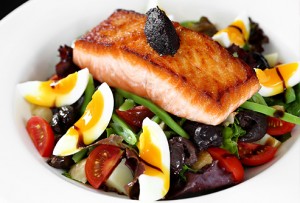
Anyone experienced in physique transformation knows this is nonsense.Most people have a terrible tolerance for carbs, shitty insulin sensitivity and simply don’t do enough physically demanding work to warrant too many carbs. If you want to get lean cutting carbs is usually one of the first and most important steps you need to take. That doesn’t mean you can’t have any but you need to make smart choices and they need to be taken in at the right times and cycled properly.

2) You’re Eating Carbs at the Wrong Time

If you’re above 20% body-fat pretty much any time is the wrong time. In that case I would only recommend vegetables and possibly some post workout potatoes or a once per week refeed. When you get down to 15% you can increase the amount of carbs in the post workout meal or the weekly refeed. Everyone else should limit carb consumption to post workout and night time, as per The Renegade Diet rules. During the day you want to be alert and focused, which is one reason why you don’t want to load up on starchy carbs during this time. Save for them for the night time when you want to optimize serotonin production and rest, relax and repair.

3) You’re Eating Too Much Fat

Some people cut carbs and assume that they’re good to go and there’s nothing else to worry about. Unfortunately, the low/no carb diet isn’t as much fun as Dr. Atkins made it out to be. You can’t just eat pounds of bacon and mayonnaise with reckless abandon and think that you’ll magically end up ripped. Fat contains calories; nine per gram to be exact. At the end of the day total calories still matter, and if you’re eating more than you burn you’re never going to get ripped. Please don’t mistake this as my advocating a low fat diet. That’s just as bad, if not worse, than eating too much fat. A bare minimum of 20% of your calories should come from healthy fats like pastured egg yolks, wild caught salmon, grass fed beef and coconut oil to ensure optimal health. Just be careful about going overboard with it and thinking that low carbs automatically leads to single digit body-fat. You still need to keep a handle on things like total calories.

4)You’re Not Eating Enough Protein

protein food 300x203 12 Reasons Youre Not Losing FatIn my experience it’s usually only females who are guilty of this but guys can make this mistake on occasion as well. The average female who can’t lose body-fat usually eats a bowl of oatmeal for breakfast with an egg. One… single… egg.

Then she’ll have a sandwich for lunch with four ounces of lean turkey. For dinner it will be a salad with low fat dressing and four ounces of chicken or fish. Although, in all honesty they may skip the protein all together and just have a salad for either lunch or dinner. Let’s assume she weighs 135 pounds. Most experts would agree that she would need to consume at least 100 grams of protein per day, if not a gram per pound, which would equal 135 grams. Each ounce of protein is around 4.5 grams of protein. So in this example she had 36 grams combined with lunch and dinner plus the six grams from the egg. So that’s a total of 42 grams, which falls just a wee bit shy of where she needs to be.
Females often freak out when you tell them to eat more than six ounces of protein at a sitting but when you break down the numbers for them and reveal just how many calories they’re eating it should make more sense. If they had eight ounces of protein three times per day it would 108 grams of protein. That’s only 432 total calories. Add in the fat and it’s still not that much.
People who eat a sufficient amount of protein usually end up having an easier time getting ripped than those who don’t. Make sure you’re getting enough.

5) You’re Drinking Too Many Protein Shakes

There are two problems associated with drinking shakes when you’re trying to get ripped. First of all, whey protein can raise insulin levels, as I have been telling people since the mid 90’s. If you’re trying to get lean you don’t want insulin to be flowing like the Nile all day. You want a nice insulin surge post workout but the rest of the day you want it under control. That’s why The Renegade Diet limits the intake of whey protein to very small amounts during most of the day and only allows a larger amount post workout or at night.
The second problem with drinking too many shakes is that they are so easy to digest that you don’t really burn any calories when you eat them. When you chew down some salmon and broccoli your body works harder to digest that food and you burn more calories during the digestion process. When you drink something that is so easily digested, like a protein shake, your body does almost no work in the process.
So, when getting ripped is your main goal, limit your shake intake and chew as many calories as you can.

6) Your Liver is Over Stressed

This is usually the last thing people think of when embarking on a fat loss diet but it can sometimes be the most important. Everything that goes into or on your body has to be processed by the liver. That means all food, alcohol, suntan lotion, environmental pollutants, etc. If you are constantly exposing yourself to this kind of stuff and overstressing the liver fat loss will be much more difficult to come by. Cut out booze, stop eating grain-fed, chemical laden meat and incorporate some regular periods of intermittent fasting to give the liver a break and you will find your rate of fat loss is noticeably faster.

7) You’re Eating Nuts

I love nuts. I mean, who doesn’t? Give me a bag of pistachios or cashews and I won’t look up till the whole thing’s gone. The problem is nuts have a ton of calories. When you’re dieting for fat loss the rules are usually the opposite of those followed by skinny hardgainers trying to gain size. Those guys want the most calorically dense foods possible. Fat loss dieters do not. You’re better off filling up on nutritionally dense foods that don’t pack a lot of calories, like green vegetables. If you’re dieting you need to limit your nut consumption to about ten almonds per serving. No too many people can eat ten almonds. Most people eat ten handfuls. If you are strictly tracking and calculating everything all day and you want to load up on nuts at certain times I suppose you could but I wouldn’t recommend it. Nuts can be very problematic for a lot of people, especially those with digestive or auto immune issues. As Paleo Solution author Robb Wolf has noted, nuts should be used the same way you use condiments- sparingly.
I should also add, and this is strictly my opinion, meaning it has NOT been proven and posted on Pubmed… nut butters seem to be easier for most people to digest than actual whole nuts. Just something to consider.

8) You’re Eating Fruit

jolie berry 300x224 12 Reasons Youre Not Losing Fat“What?! You’re telling people not to eat fruit!? Everyone knows that it’s impossible to get fat from eating too much fruit!”
Yeah, yeah I know, that’s why physique competitors eat so much fruit and why all fat loss experts who specialize in getting people shredded recommend such high quantities of it. In our hunter gatherer days fruit was nothing like what you see in the supermarket today. Berries were small, dark and bitter; not the huge sugar sacks most people consume these days. Don’t get me wrong, fruit is healthy and can be eaten by lean individuals in limited amounts but any type of excessive fructose (a sugar found in fruit) consumption will lead to fat gain. Fructose can only be processed by the liver and once liver glycogen stores are full the excess gets converted to triglycerides and stored as body-fat. If you want to get ripped cut fruit completely for a while or limit it to one to two small servings per day. Just be sure to really up the vegetable consumption so you can keep your vital nutrient uptake where it needs to be.

9) You’re Not Training Heavy

When you want to lose body-fat the first inclination is often to crank up the reps and cut the rest periods. I actually have no problem with fairly low rest periods. But not if you’re used to resting three minutes between sets and all of the sudden cut them down to thirty seconds because you decided it was time to get shredded you’ll be in trouble. That never works. All that happens is your weights start plummeting on every exercise and you get weaker and smaller. High reps have the same effect.
When dieting, the primary role of strength training is to maintain muscle mass. That is the single most important thing. Don’t use it as your primary “fat burning” activity… UNLESS you are seriously overweight. If you need to lose more than fifty pounds or so that would probably be fine (although please don’t ever do any of the bullshit you see on those fat camp TV shows). Females can actually get something out of metcon workouts in the right situation as well. The caveat, however, is that that they need to be strong and actually have some muscle mass. If you take a weak female with no muscle and give her a silly metcon circuit she won’t usually get much out of it because she’s too weak to produce enough force. Females should get strong first before they attempt that type of training.
If you’re a guy and are trying to lose 10-20 pounds of body-fat without losing all your muscle mass in the process you should use strength training as a way to maintain size and strength; nothing more, nothing less. So the same principles that helped you get big and strong apply when dieting. Keep the reps low and the resistance high.

10) You’re Overdoing Cardio

Traditional forms of cardio are largely useless for fat loss. But useless is even okay, it’s when it starts to be counterproductive that we have a real problem. Excessive amounts of cardio lead to an overproduction of cortisol which leads to more abdominal fat and numerous health problems. If you want to do cardio that won’t actually hurt you and could do you some good, go for a long walk. No self respecting man should ever be spotted on an elliptical machine.
dog sled chan 12 Reasons Youre Not Losing Fat
Sled work builds muscle, burns fat and is irreplaceable

11) You’re Not Running Sprints or Doing Sled Work

Dieting is the most important thing for fat loss. After that you should be doing some form of strength training to maintain your muscle mass. When you have those to things dialed in you’ll want to add in some type of sprinting or sled work. There is nothing more effective for fat loss. See all wide receivers, defensive backs, sprinters, soccer players, etc. for proof. Two or three 20-40 minute sprint or sled sessions per week will be enough for most people.
Don’t have a sled? 

12) You’re Not Getting Enough Sleep

When you’re short on sleep your insulin sensitivity decreases and your cortisol goes up. Both things lead to less than optimal fat loss. You also miss out on the critically important Growth Hormone boost that comes each night during deep sleep. If you want to lose more fat you have to get more sleep. Most people will ignore this and some of you are probably reading this at 2am. Unfortunately this just might be the most important thing on the whole list. More sleep improves EVERYTHING. Make it a priority.
Wikio